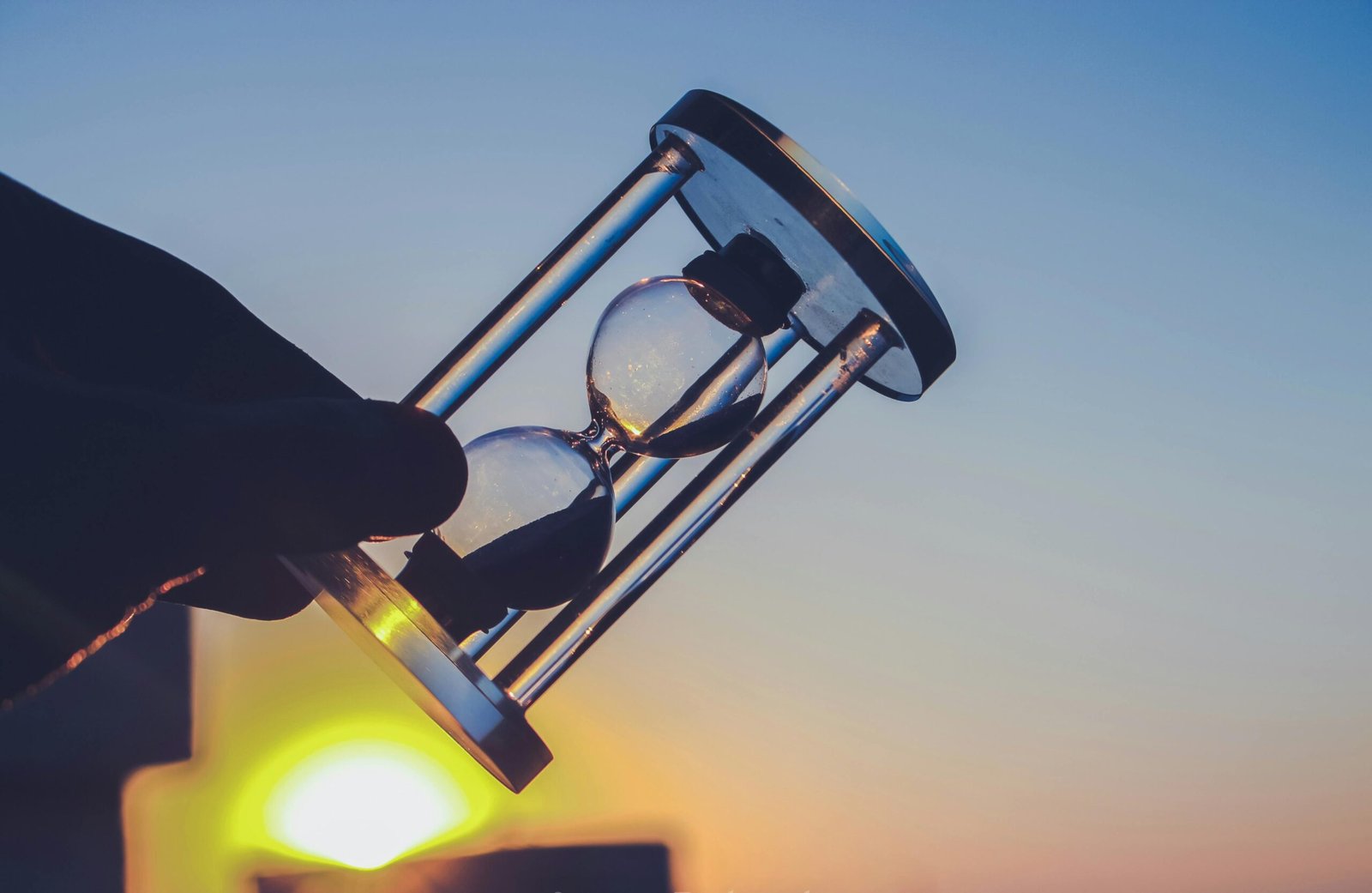
What Time Is Evening: A Comprehensive Guide to Evening Hours, Definitions, and Cultural Perspectives
Evening is a significant part of the day, marking the transition from daylight to night. It is a time associated with rest, reflection, social activities, and winding down from the busy hours of the morning and afternoon. But what exactly defines evening, and what time is evening? While many assume evening begins when the sun starts to set, the timing of evening can vary depending on geography, culture, season, and personal interpretation.
This guide explores what time evening starts and ends, the scientific and cultural perspectives, and practical applications in daily life, work schedules, and social activities. We will also address frequently asked questions to provide a complete understanding of evening hours.
Defining Evening: Scientific and Practical Perspectives
Evening is generally defined as the period of late afternoon through twilight and just before nightfall. While there is no universal definition, it is commonly understood to begin when the sun descends below the horizon, marking the start of twilight, and ends when night officially begins.
1. Solar and Astronomical Definition
-
Evening begins at sunset, which varies throughout the year and depends on latitude.
-
Civil twilight occurs immediately after sunset, lasting until the sun is 6 degrees below the horizon. This is often considered part of the evening period.
-
Astronomical evening continues until the night sky becomes fully dark, marking the transition to nighttime.
2. General Daily Schedule
-
In everyday life, evening is often considered to start around 5:00 PM to 6:00 PM and continues until 8:00 PM to 9:00 PM, depending on lifestyle, work schedules, and regional habits.
-
Evening is typically associated with dinner time, family gatherings, leisure activities, and winding down from the day.
Cultural and Regional Variations in Evening Hours
The perception of evening varies around the world:
1. Western Cultures
-
Evening commonly starts between 5 PM and 6 PM, with dinner often occurring between 6 PM and 8 PM.
-
Social activities, TV programs, and community events are usually scheduled in the evening timeframe.
2. Mediterranean and Latin Cultures
-
Evening tends to start later, sometimes around 7 PM or 8 PM, influenced by warmer climates and late dining habits.
-
Leisure and social gatherings, including nightlife, often extend well into the late evening hours.
3. Northern and Southern Latitudes
-
In regions closer to the poles, seasonal variations in daylight significantly affect evening timing.
-
During summer, longer daylight hours delay the start of evening, while in winter, evening may begin earlier due to early sunsets.
Evening in Daily Life and Routine
Understanding evening hours has practical implications in daily life:
1. Work and Commute
-
Many offices define evening as the time after work hours, typically 5 PM onwards, signaling the end of business operations.
-
Evening commutes and traffic patterns vary depending on local work schedules and cultural norms.
2. Social and Family Time
-
Evening is often reserved for family dinners, relaxation, and social activities.
-
People use the evening period to unwind, engage in hobbies, or connect with friends and family.
3. Leisure and Entertainment
-
Television shows, concerts, and community events are frequently scheduled in the evening, capitalizing on the period when people are available after work and daily obligations.
4. Health and Sleep
-
Evening routines affect circadian rhythms, with activities such as dimming lights, avoiding stimulants, and winding down helping prepare the body for sleep.
Scientific Perspective: Evening and Circadian Rhythms
From a physiological standpoint, evening is crucial for regulating the body’s internal clock or circadian rhythm:
-
The release of melatonin begins in the evening, signaling the body to prepare for sleep.
-
Exposure to bright light in the evening can disrupt circadian rhythms and affect sleep quality.
-
Understanding what time evening begins can help optimize routines, including meal timing, relaxation, and screen use, to support healthy sleep patterns.
Conclusion
Evening is more than just a period on the clock—it is a transition of light, activity, and energy, marking the end of the day and the beginning of night. While evening generally starts between 5 PM and 6 PM and ends between 8 PM and 9 PM, exact timings depend on cultural, geographical, and seasonal factors. Recognizing evening hours can enhance daily routines, social life, and personal well-being, ensuring a balanced and fulfilling end to each day.
By understanding what time is evening, you can better organize work, leisure, family activities, and health routines, making evening a meaningful and restorative part of the day.
FAQ About What Time Is Evening
What time does evening start?
Evening generally begins around 5 PM to 6 PM, though this may vary depending on location, season, and cultural norms.
When does evening end?
Evening usually ends between 8 PM and 9 PM, transitioning into night when the sky is fully dark.
Does evening time vary by season?
Yes, in summer, evening starts later due to longer daylight hours, and in winter, evening begins earlier because of early sunsets.
Is evening defined differently in various cultures?
Yes, cultural habits influence evening timing. For example, Mediterranean cultures often consider evening starting around 7–8 PM, while Western cultures may begin evening around 5–6 PM.
Why is evening important for daily routines?
Evening impacts social life, leisure, circadian rhythm, and sleep patterns, making it an essential time for relaxation and winding down.