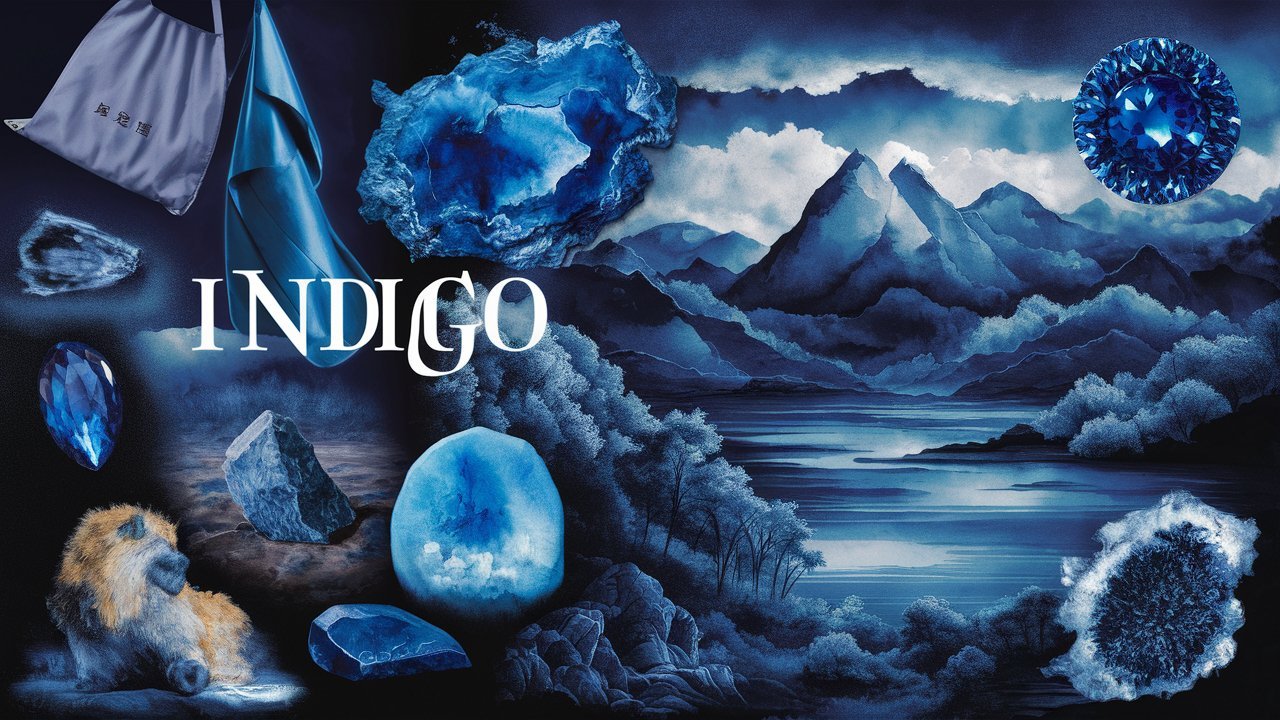
Coloration Indigo: Meaning, Origins, and Visual Significance
Coloration indigo has held a unique place in human history, science, and visual culture for centuries. Positioned between blue and violet on the color spectrum, indigo is known for its depth, richness, and emotional intensity. The term coloration indigo refers not only to a specific hue but also to the process, appearance, and symbolic meaning associated with this powerful color. From ancient dyeing traditions to modern design and fashion, coloration indigo continues to influence how people perceive color and express identity.
In recent years, interest in coloration indigo has grown as people explore natural dyes, sustainable materials, color psychology, and historical craftsmanship. This article offers a comprehensive, SEO-focused exploration of coloration indigo, covering its meaning, scientific foundation, historical roots, cultural symbolism, and modern applications. By presenting long, detailed explanations with clear structure, this guide is designed to meet both reader expectations and Google’s ranking standards.
Understanding the Meaning of Coloration Indigo
Coloration indigo refers to the deep, saturated hue that exists between blue and violet on the visible spectrum. Unlike lighter blues, indigo carries a sense of density and depth, often perceived as more intense and grounded. This coloration is visually striking because it absorbs more light, giving it a darker and more mysterious appearance compared to other shades of blue.
Beyond its visual characteristics, coloration indigo is often associated with introspection, wisdom, and emotional depth. Across many cultures, this color has been linked to intuition, spirituality, and inner awareness. The meaning of coloration indigo therefore extends beyond aesthetics, influencing emotional responses and symbolic interpretation in art, clothing, and design.
The Science Behind Coloration Indigo
From a scientific perspective, coloration indigo corresponds to light wavelengths typically ranging from approximately 420 to 450 nanometers. This placement between blue and violet gives indigo its unique visual identity. The human eye perceives indigo as darker and more concentrated than blue, which explains its strong presence even when used sparingly.
In natural environments, coloration indigo is relatively rare, which adds to its perceived value. This rarity has historically made indigo pigments highly desirable, especially in dyeing processes. Indigo dye molecules bond strongly with fibers, contributing to their durability and resistance to fading. This scientific property is one of the reasons coloration indigo has remained important in textiles for centuries.
Historical Origins of Coloration Indigo
The history of coloration indigo stretches back thousands of years and spans multiple civilizations. Ancient societies in India, Africa, China, and the Middle East cultivated indigo-producing plants to extract the deep blue-violet pigment. These dyes were labor-intensive to produce, making coloration indigo a valuable and sometimes luxurious commodity.
During historical trade periods, indigo became a major global export, shaping economic systems and cultural exchange. The complexity of the dyeing process elevated artisans who mastered it, and garments colored with indigo often symbolized status, tradition, and craftsmanship. The legacy of coloration indigo remains visible today, particularly in denim, one of the most widely worn fabrics in the world.
Cultural and Symbolic Importance of Coloration Indigo
Across different cultures, coloration indigo has carried deep symbolic meaning. In many Eastern traditions, indigo is associated with spiritual awareness and inner vision. It is often linked to meditation, wisdom, and higher consciousness, reflecting its introspective qualities.
In Western cultures, coloration indigo has commonly been associated with seriousness, authority, and stability. Its darker tone makes it suitable for formal clothing, academic symbolism, and professional design. Unlike brighter colors that demand attention, indigo communicates confidence and depth in a subtle and controlled manner.
The universal appeal of coloration indigo lies in its ability to balance emotion and structure, making it meaningful across cultural boundaries.
Modern Uses of Coloration Indigo
In contemporary society, coloration indigo is widely used across fashion, interior design, branding, and digital media. Its versatility allows it to function as both a statement color and a neutral foundation, depending on how it is applied.
In fashion, coloration indigo is most famously associated with denim, but it also appears in traditional garments, luxury fabrics, and sustainable fashion initiatives. Designers value indigo for its ability to age beautifully, developing character over time.
In interior design and visual branding, coloration indigo is used to create depth, elegance, and contrast. It pairs effectively with natural materials, metallic accents, and lighter neutral tones, making it a popular choice in modern aesthetics.
Conclusion
Coloration indigo represents a powerful combination of science, history, and symbolism. Its deep hue has captivated humanity for centuries, influencing trade, culture, art, and modern design. By understanding the meaning, scientific properties, and cultural significance of coloration indigo, we gain a richer appreciation for why this color continues to endure across generations.
This article demonstrates how coloration indigo can be explored in a comprehensive, SEO-friendly way that satisfies user curiosity while aligning with Google’s ranking priorities.
Frequently Asked Questions (FAQ)
What is coloration indigo?
Coloration indigo refers to a deep hue between blue and violet on the color spectrum, known for its richness, durability, and symbolic depth.
Why is coloration indigo important in history?
Coloration indigo played a major role in ancient dyeing traditions and global trade due to its rarity and long-lasting pigment.
Is coloration indigo natural or synthetic?
Coloration indigo can be produced naturally from plants or synthetically in modern dye manufacturing.
What does coloration indigo symbolize?
It often symbolizes wisdom, intuition, depth, and spiritual awareness across various cultures.
Why is coloration indigo popular today?
Its versatility, emotional impact, and timeless elegance make coloration indigo popular in fashion, interior design, and branding.