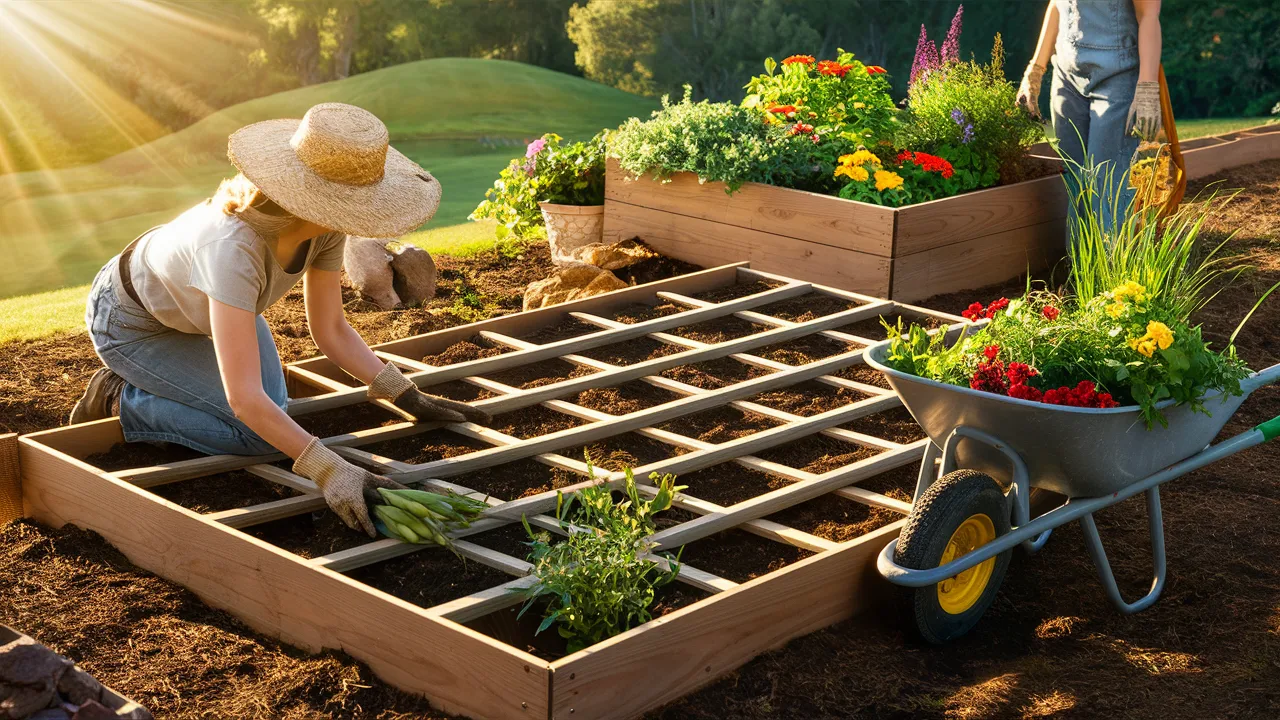
Constructing a Raised Garden: The Complete Step-by-Step Guide for a Thriving Backyard Harvest
Constructing a raised garden is one of the most effective and rewarding ways to transform outdoor space into a productive, organized, and visually appealing growing environment. Whether we aim to cultivate fresh vegetables, aromatic herbs, vibrant flowers, or a combination of all three, a raised garden bed offers improved soil control, better drainage, enhanced plant health, and simplified maintenance. By elevating the planting area above ground level, we gain complete authority over soil composition, weed management, and growing conditions, which significantly increases productivity and crop quality.
Raised gardens are especially beneficial in areas with poor native soil, compacted ground, or drainage issues. Instead of struggling with heavy clay or nutrient-depleted earth, we create an optimized environment from the ground up. Through proper planning, material selection, soil preparation, and ongoing maintenance, constructing a raised garden becomes a long-term investment that yields season after season of abundant harvests.
Benefits of Constructing a Raised Garden Bed
When we construct a raised garden bed, we immediately improve soil structure and drainage. Elevated beds prevent waterlogging and reduce the risk of root rot, particularly in regions with frequent rainfall. Because the soil is not compacted by foot traffic, roots can expand freely, allowing plants to absorb nutrients efficiently and develop stronger growth patterns.
Another critical advantage is improved accessibility. Raised beds reduce the need for excessive bending and kneeling, making gardening more comfortable and sustainable over time. For families, they create clearly defined growing spaces that are easy to organize and manage. We also gain superior weed control since imported soil reduces the presence of invasive seeds commonly found in native ground.
Furthermore, raised gardens warm up faster in early spring, extending the growing season and allowing earlier planting. This thermal advantage supports quicker germination and more consistent plant development.
Choosing the Right Location for a Raised Garden
Selecting the correct location is foundational to successful raised garden construction. We should prioritize an area that receives at least six to eight hours of direct sunlight daily, especially when growing vegetables such as tomatoes, peppers, or cucumbers. Herbs and leafy greens may tolerate partial shade, but optimal sunlight dramatically improves yield and flavor intensity.
The site should also provide convenient access to water sources. Irrigation efficiency directly impacts plant health, and proximity to a hose or drip system simplifies routine watering. Additionally, we must ensure proper surface leveling before installation to maintain even soil distribution and prevent structural imbalance.
Selecting Materials for Raised Garden Construction
Material selection significantly influences durability, cost, and aesthetics. Wood remains one of the most popular choices due to affordability and ease of assembly. Cedar and redwood are particularly desirable because of their natural resistance to decay and insects. Pressure-treated lumber is another option, though many gardeners prefer untreated wood for edible gardens.
For those seeking long-term durability, metal raised beds offer corrosion resistance and modern visual appeal. Stone and brick structures provide permanent, high-end solutions but require more extensive labor and higher investment. Recycled composite materials combine longevity with minimal maintenance, making them attractive for eco-conscious gardeners.
Regardless of the material chosen, we must ensure structural stability, proper corner reinforcement, and sufficient depth—typically 10 to 18 inches—for optimal root development.
Ideal Dimensions and Garden Layout Planning
Planning the layout carefully enhances productivity and accessibility. A standard width of 3 to 4 feet allows us to reach the center of the bed without stepping inside, preserving soil structure. Length can vary depending on available space, but maintaining manageable proportions simplifies maintenance.
Height depends on crop selection and personal preference. Deeper beds accommodate root vegetables such as carrots and potatoes, while shallower beds suffice for lettuce and herbs. Spacing between beds should allow comfortable movement and access for watering or harvesting. Incorporating pathways with mulch, gravel, or stepping stones prevents soil compaction and enhances visual organization.
Preparing the Foundation and Ensuring Drainage
Proper drainage is critical when constructing a raised garden. Before placing the frame, we remove existing grass or weeds and loosen the underlying soil to promote root penetration. Lining the base with landscape fabric can suppress weeds while allowing water flow. In areas prone to burrowing pests, hardware cloth or wire mesh provides additional protection.
Drainage is naturally improved by elevation, but ensuring that the bed does not sit in a water-collecting depression is essential. Leveling the structure guarantees uniform water distribution throughout the soil profile.
Creating the Perfect Raised Garden Soil Mix
Soil composition determines plant vitality. A high-quality raised garden soil mix typically includes a balanced blend of topsoil, compost, and aeration materials such as perlite or coarse sand. Compost enriches the soil with organic matter, improving nutrient availability and microbial activity.
We should aim for a loose, well-draining texture that retains moisture without becoming compacted. Adding aged manure or organic fertilizers enhances fertility for nutrient-demanding crops. Maintaining slightly acidic to neutral pH levels supports a wide variety of vegetables and flowers.
Planting Strategies for Maximum Yield
Once construction and soil preparation are complete, strategic planting ensures efficient use of space. Companion planting techniques allow compatible crops to support each other’s growth while deterring pests naturally. Vertical supports such as trellises maximize limited space by encouraging upward growth for climbing plants.
Succession planting further increases productivity by replacing harvested crops with new seedlings throughout the season. This method keeps the garden continuously active and productive.
Watering, Fertilizing, and Maintenance
Raised beds may require more frequent watering than ground-level gardens due to enhanced drainage. Installing drip irrigation systems provides consistent moisture and reduces evaporation. Regular mulching conserves water, suppresses weeds, and regulates soil temperature.
Fertilization schedules should align with plant needs. Organic compost applications replenish nutrients annually, while liquid fertilizers can provide targeted feeding during peak growth periods. Routine inspections for pests and diseases allow early intervention and prevent widespread damage.
Seasonal Care and Long-Term Sustainability
Seasonal preparation protects the investment made in constructing a raised garden. At the end of each growing cycle, removing plant debris and replenishing compost preserves soil health. Cover crops such as clover or rye prevent erosion and add organic matter during dormant months.
Over time, wood structures may require sealing or replacement, while metal and stone beds need minimal upkeep. Continuous soil amendment ensures sustained productivity year after year.
Conclusion
Constructing a raised garden is a transformative step toward efficient, organized, and highly productive gardening. By carefully selecting the location, materials, dimensions, and soil composition, we establish a controlled environment that enhances plant growth and simplifies maintenance. Raised beds provide superior drainage, improved soil quality, better accessibility, and extended growing seasons, making them an ideal solution for both beginners and experienced gardeners. With thoughtful planning and consistent care, a raised garden becomes a reliable source of fresh produce, vibrant flowers, and long-term satisfaction.
Frequently Asked Questions (FAQ)
1. How deep should a raised garden bed be?
Most raised beds should be at least 10–12 inches deep, though root vegetables benefit from 18 inches or more.
2. What is the best wood for constructing a raised garden?
Cedar and redwood are preferred due to their natural resistance to rot and insects.
3. Do raised garden beds require special soil?
Yes, a mixture of topsoil, compost, and aeration materials ensures proper drainage and fertility.
4. How often should raised gardens be watered?
Watering frequency depends on climate, but raised beds typically require consistent moisture due to faster drainage.
5. Can I build a raised garden on concrete?
Yes, provided adequate depth and drainage layers are included to support root health.