Kynnedy Hurts: A Comprehensive, Evidence-Based Guide to Recovery, Rehabilitation, and Long-Term Wellness
We approach the topic of Kynnedy Hurts as a structured and well-documented case study that reflects a broader category of physical strain, injury response, and recovery management. In performance-driven lifestyles—whether athletic, occupational, or daily functional movement—understanding how injuries develop, progress, and resolve is essential. Kynnedy Hurts represents a practical framework for examining musculoskeletal stress, pain manifestation, and recovery strategies through a methodical lens. We focus on clarity, accuracy, and depth to ensure this guide serves as a reliable reference for readers seeking meaningful insight rather than surface-level commentary.
Defining Kynnedy Hurts in a Clinical and Functional Context
Kynnedy Hurts refers to a documented pattern of physical discomfort and functional limitation arising from cumulative strain, acute injury, or biomechanical imbalance. Rather than isolating a single incident, we examine the condition as a continuum that includes early warning signs, progressive symptoms, and recovery milestones. This definition allows us to address the topic holistically, emphasizing movement quality, tissue adaptation, and neuromuscular coordination. By framing Kynnedy Hurts in this way, we align the discussion with modern rehabilitation science and functional health principles.
Primary Causes and Contributing Factors
We identify several contributing factors that commonly underpin Kynnedy Hurts scenarios. Repetitive overuse remains a leading cause, particularly when load exceeds the body’s adaptive capacity. Poor movement mechanics, such as asymmetrical loading or inadequate joint stability, amplify stress on connective tissues. Insufficient recovery, including inadequate sleep and nutritional deficits, further compromises tissue repair. Environmental factors—such as improper equipment or prolonged static postures—also play a significant role. Understanding these causes allows us to design targeted interventions that address root problems rather than temporary symptom relief.
Recognizing Symptoms and Functional Limitations
Symptoms associated with Kynnedy Hurts often develop gradually, beginning with mild discomfort and progressing toward persistent pain or stiffness. We commonly observe localized tenderness, restricted range of motion, and decreased strength output. In advanced stages, compensatory movement patterns may emerge, increasing the risk of secondary injury. Early recognition is critical. By identifying subtle changes in movement efficiency and pain response, individuals can intervene before functional decline becomes significant.
Diagnostic Approach and Assessment Strategies
A structured assessment process forms the foundation of effective management for Kynnedy Hurts. We prioritize movement screening, postural analysis, and load tolerance evaluation to establish a clear baseline. When necessary, imaging and clinical testing provide additional context, but functional assessment remains central. This approach ensures that treatment decisions are guided by real-world movement demands rather than isolated findings. Accurate diagnosis enables precise goal-setting and measurable progress tracking.
Evidence-Based Treatment and Rehabilitation Methods
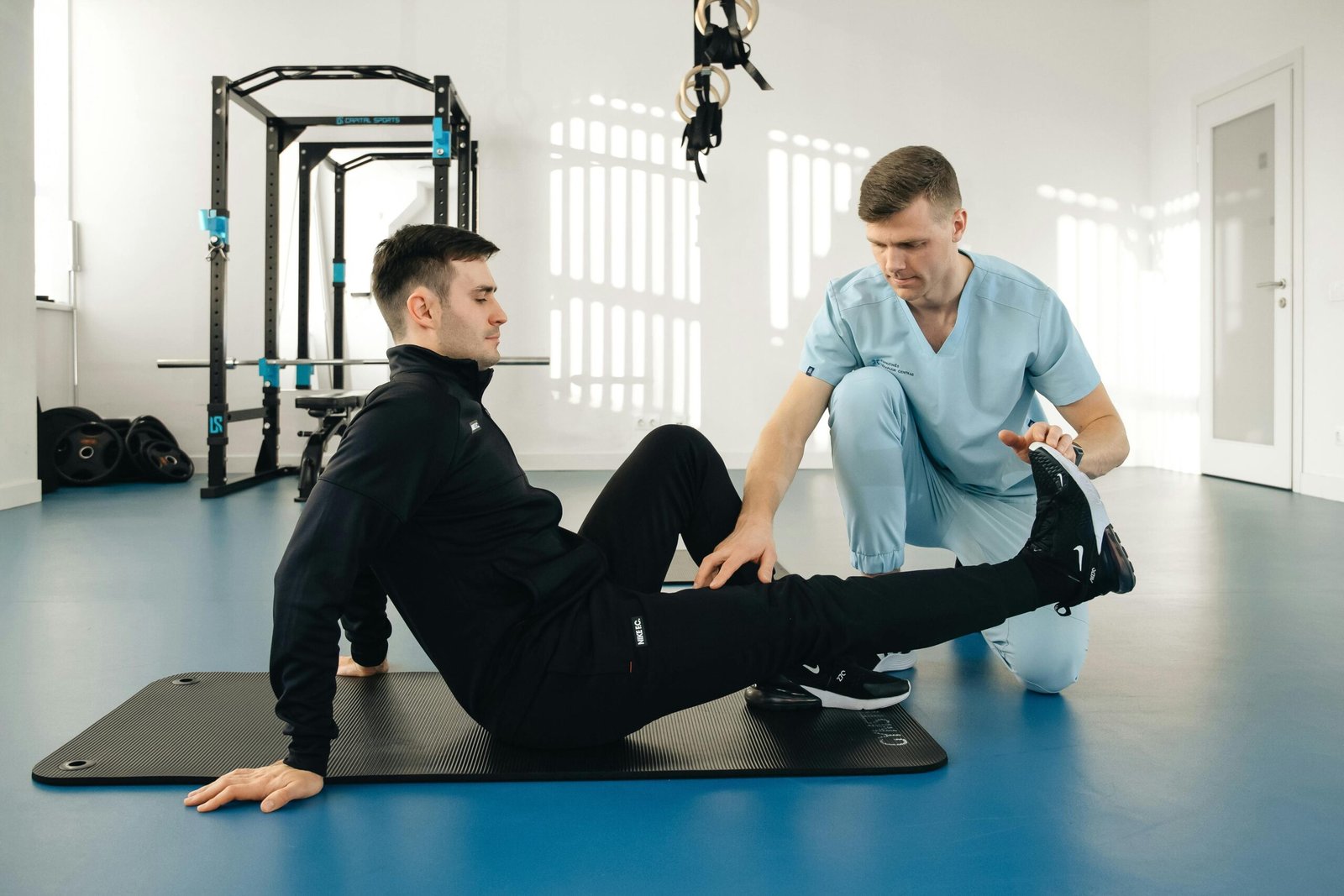
Rehabilitation for Kynnedy Hurts relies on progressive, evidence-based strategies. We begin with pain modulation and inflammation control through activity modification and targeted therapeutic techniques. As symptoms stabilize, corrective exercises restore mobility, strength, and neuromuscular control. Gradual load reintroduction ensures tissues adapt safely to increasing demands. This phased model reduces reinjury risk while promoting sustainable recovery. Consistency and adherence remain key determinants of success.
The Role of Strength, Mobility, and Recovery
Long-term resolution of Kynnedy Hurts depends on balanced development of strength, mobility, and recovery capacity. Strength training enhances tissue resilience, while mobility work maintains joint health and movement efficiency. Recovery strategies—including sleep optimization, hydration, and nutrient timing—support physiological repair processes. We emphasize integration rather than isolation, ensuring each component reinforces the others for durable outcomes.
Prevention Strategies and Long-Term Management
Preventing recurrence of Kynnedy Hurts requires proactive planning. We advocate for load management, regular movement assessments, and periodized training structures that align with individual capacity. Education plays a vital role, empowering individuals to recognize early warning signs and adjust behavior accordingly. Long-term management is not passive; it is an active commitment to movement quality and self-monitoring.
Psychological and Lifestyle Considerations
We acknowledge that physical recovery from Kynnedy Hurts is closely linked to psychological and lifestyle factors. Stress, motivation, and self-efficacy influence pain perception and adherence to rehabilitation plans. Establishing realistic expectations and maintaining a structured routine enhances outcomes. By addressing both physical and mental dimensions, we support comprehensive and lasting recovery.
Conclusion
Kynnedy Hurts serves as a valuable framework for understanding injury development, rehabilitation, and prevention in a performance-oriented world. Through structured assessment, evidence-based intervention, and proactive management, individuals can restore function and reduce future risk. We emphasize precision, consistency, and education as the pillars of sustainable recovery. By applying these principles, long-term wellness and resilience become achievable goals rather than temporary milestones.
Frequently Asked Questions
What is Kynnedy Hurts best described as?
It is a structured case study representing patterns of physical strain, injury response, and recovery management.
Can Kynnedy Hurts be prevented?
Yes, through effective load management, movement quality optimization, and consistent recovery practices.
How long does recovery typically take?
Recovery timelines vary based on severity, adherence to rehabilitation, and individual capacity, but structured progression improves outcomes.
Is professional assessment necessary?
A professional evaluation enhances diagnostic accuracy and ensures targeted intervention, particularly in persistent cases.
Does lifestyle influence recovery?
Lifestyle factors such as sleep, nutrition, and stress management significantly impact tissue healing and overall resilience.